Reshaping AI Leadership: Strategic Imperatives in the 2024 Post-Election Landscape
Reshaping AI Leadership: Strategic Imperatives in the 2024 Post-Election Landscape
Following yesterday’s election results, the technology sector — particularly artificial intelligence ; geneative AI— stands on the… -
Strategic Imperatives in the 2024 Post-Election Landscape
Following yesterday’s election results, the technology sector — particularly artificial intelligence ; generative AI— stands on the threshold of a potentially transformative era. With the Trump administration expected to assume office and influential figures like Elon Musk championing deregulation, AI leaders face both opportunities and strategic challenges. Below, we explore the implications for AI policy, research, and market dynamics, offering sector-specific insights and actionable strategies for industry leaders, researchers, and policymakers.
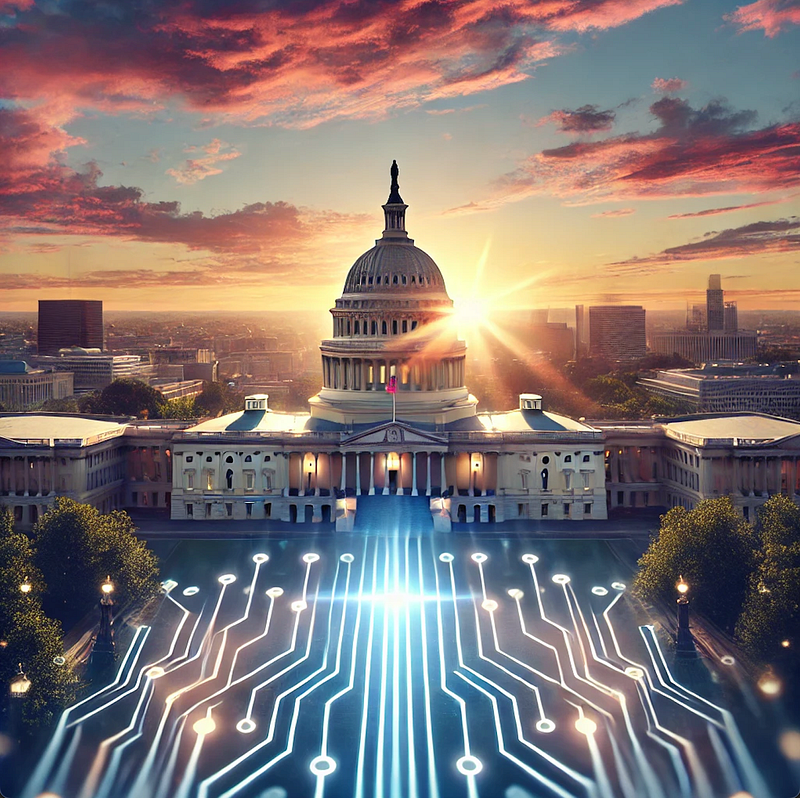
New morning, New opportunities
A New Era of AI Governance
The anticipated deregulatory stance signals a paradigm shift in AI governance. Under this administration, federal oversight may transition toward voluntary standards, with Musk’s influence further reinforcing the idea of rapid, self-regulated innovation. Industry leaders should be prepared to navigate this changing regulatory environment with both agility and accountability.
Potential Policy Changes and Impacts: - Voluntary Standards: A move from federal mandates to voluntary compliance models could empower companies with greater flexibility, especially in testing and deploying generative AI models. - Reduced Bureaucracy for Federal AI Contracts: Expect streamlined procedures in areas such as defense, healthcare, and government services, allowing for faster integration of AI into federal operations. - Enhanced Competitive Posture Against China: Given Musk’s stance on AI’s competitive edge, policies may prioritize bolstering U.S. AI capabilities vis-a-vis China, impacting international partnerships and global supply chains.
Market Dynamics and Investment Landscape
The deregulatory shift is likely to reverberate across sectors like defense, healthcare, and finance, where AI applications are ripe for expansion. For industry leaders, these market shifts present opportunities to recalibrate strategies and align with new federal priorities.
Sector-Specific Implications and Examples: - Defense and National Security: The defense sector may see accelerated adoption of AI technologies. For example, companies specializing in autonomous systems and data analysis could see a surge in contract opportunities and funding, particularly for military applications. - Healthcare Automation: Lighter regulatory burdens may catalyze AI integration in healthcare settings. Predictive diagnostics and patient data analytics may become more prevalent, though companies should be mindful of ethical standards as they develop these technologies. - Finance and Risk Management: Generative AI in financial forecasting and risk analysis could benefit from less restrictive policies, enabling faster iteration and testing of new algorithms.
Quantifiable Metrics for Industry Leaders: - Projected Defense AI Spending: Monitor government R&D funding to identify early-stage opportunities; the projected defense AI budget could reach billions, presenting lucrative contract possibilities. - Market Growth Rates in Key Sectors: Track AI adoption growth in healthcare and finance, which are estimated to grow at annual rates of 20% or more, providing insight into where resources may be best allocated.
Aligning Innovation with Emerging Priorities
In an environment marked by fewer restrictions and Musk’s strong pro-innovation influence, the R&D sector will need to adjust its priorities to stay aligned with the administration’s competitive and national security objectives.
Expanded R&D Implications: - Realignment of Federal Funding Priorities: With national security and global AI leadership in focus, funding may increasingly target projects with defense or competitive advantage applications. Companies should assess the potential benefits of redirecting their own R&D to areas like autonomous intelligence, cybersecurity, and robotics. - International Collaboration Constraints: Due to heightened scrutiny on data privacy and intellectual property, cross-border AI research partnerships may face limitations, affecting data-sharing standards and research scalability. - Talent Acquisition and Retention: AI firms may need to ramp up talent acquisition strategies to maintain a robust innovation pipeline in line with federal priorities. This could mean prioritizing talent skilled in defense AI applications and autonomous systems, especially as competition intensifies.
Strategic Action Steps for AI Leaders
For AI companies and research institutions, adapting to these policy shifts involves both immediate actions and long-term strategic realignment.
Immediate Actions: - Strengthen Self-Governance Standards: As federal oversight may ease, companies should bolster internal governance and ethical frameworks to maintain public trust. Self-regulation will be critical in sensitive applications like healthcare diagnostics and autonomous vehicles. - Enhance Transparency and Reporting: Initiatives that promote transparency — such as third-party audits and algorithmic accountability — will be important to reassure stakeholders and the public.
Long-Term Strategic Focus: - Forge Robust Public-Private Partnerships: In anticipation of increased AI adoption in government systems, companies should explore public-private partnership opportunities to tap into federal funding streams, particularly in sectors like defense and national security. - Diversify Global Partnerships and Supply Chains: As the U.S.-China AI rivalry intensifies, firms should proactively assess global partnerships, ensuring compliance with emerging data privacy regulations and minimizing potential supply chain disruptions. - Monitor Policy Developments and Adapt R&D: Continuously tracking policy updates will enable companies to remain agile, aligning their R&D focus with evolving federal priorities while balancing ethical considerations.
Long-term Implications for the AI Sector
While the AI sector’s core trajectory will continue to be driven by technological advancement and market demand, policy shifts could reshape the context in which companies operate. Leaders should strive to balance growth with public accountability, ensuring that rapid development remains aligned with societal expectations and ethical standards.
Future Considerations: - Deployment Pace in Regulated Industries: Accelerated AI adoption in regulated fields such as healthcare and finance may occur, though companies must ensure robust safety and testing protocols. - Self-Regulation and Industry Standards: With fewer federal mandates, setting and adhering to self-regulation standards will be crucial for maintaining public trust, particularly in AI’s most sensitive applications. - Enhanced Public-Private Collaborations: As the administration prioritizes U.S. competitiveness, fostering partnerships between public entities and private AI firms may become a cornerstone of future growth strategies. -
Charting a Course Forward for Responsible AI Innovation
As we move into this new phase, AI leaders have an opportunity to shape a future that balances rapid innovation with responsible development. With fewer regulatory constraints and Musk’s push for competitive AI development, the coming years will test the industry’s ability to self-regulate effectively while advancing technology at unprecedented rates.
By focusing on transparency, strengthening industry partnerships, and aligning R&D with emerging federal priorities, the AI sector can secure a future where innovation and ethical standards go hand in hand. Leaders who adapt to this environment, reinforcing public trust while accelerating technological advancement, will be well-positioned to thrive in this new era of AI policy and growth.
[Reshaping AI Leadership: Strategic Imperatives in the 2024 Post-Election Landscape by Aingineer … Following yesterday's election results, the technology sector - particularly artificial intelligence ; geneative AI…podcasters.spotify.com](https://podcasters.spotify.com/pod/show/gaurav-nigam08/episodes/Reshaping-AI-Leadership-Strategic-Imperatives-in-the-2024-Post-Election-Landscape-e2qke0r "https://podcasters.spotify.com/pod/show/gaurav-nigam08/episodes/Reshaping-AI-Leadership-Strategic-Imperatives-in-the-2024-Post-Election-Landscape-e2qke0r")[](https://podcasters.spotify.com/pod/show/gaurav-nigam08/episodes/Reshaping-AI-Leadership-Strategic-Imperatives-in-the-2024-Post-Election-Landscape-e2qke0r)
Note: The views expressed here are my own, shaped by recent media insights and the strategic directions outlined by the Trump administration regarding AI advancements. This analysis is intended to provide a personal perspective on the evolving landscape of AI and its potential implications.
— Gaurav
Responses